

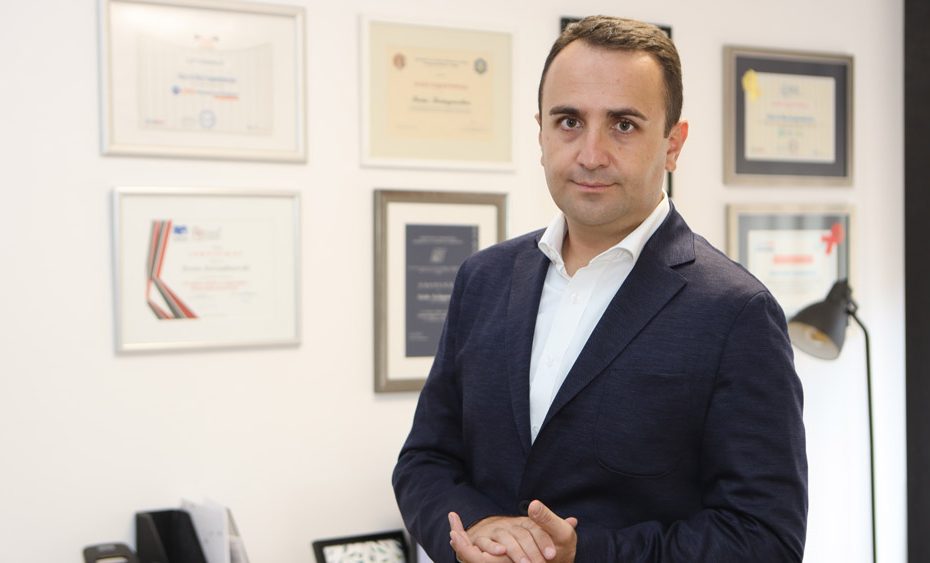
Kosta Kostadinovski, director of “Capital Asset Management”: What are the most interesting markets and sectors for investments in 2023?
- WHAT DO YOU EXPECT FOR THE ECONOMY NEXT YEAR, IS IT INCREASINGLY CERTAIN THAT GLOBAL MARKETS WILL AGAIN FACING A RECESSION?
I expect next year to be turbulent, with some states possibly going into recession. On the other hand, I expect a positive year for the stock market, because the stock markets are already anticipating the resolution of the crisis. As for inflation, we will see a significant reduction, followed by low GDP growth (or even negative in some periods) and a reaction from central banks in the direction of changing policy from tightening economic activity to stimulating it, especially in the second half of 2023. There will certainly be a slowdown in the growth of reference interest rates by central banks. Personally, I think that in the second half of 2023 we will see their reduction.
- WHAT ARE THE FORECASTS FOR THE YEAR 2023, HOW CAN INVESTORS PREPARE TO RECEIVE BENEFITS?
The movement of stock prices in the stock market is always a harbinger of movement in the real economy. That, simply said, means that today’s global stock prices have a mild to moderately severe recession priced into them, which we would see in the real economy. That’s why investors who have cash should invest it in stocks now, when we have favorable prices to generate capital gains, as we gradually emerge from the crisis.
- WHAT DO YOU ADVISE YOUR CLIENTS – WHICH SECTORS DO YOU EXPECT TO BE MOST INTERESTING NEXT YEAR?
The most interesting will be the defensive sectors – these are the sectors that consumers cannot live without, such as pharmaceuticals, food, energy etc. Basically, our clients have a personal portfolio manager who, based on a detailed analysis of companies, selects stocks to buy for their portfolio. So, clients essentially transfer the decision to choose stocks in their portfolio to professionals, which means that we decide on their behalf which stocks to buy for them and generally, we invest the funds in stocks of strategically well-placed companies that deliver good profits and are in a position to achieve future growth, regardless of the economic sector in which they operate.
- CAN YOU SINGLE OUT SOME COMPANIES THAT SHOULD BE AVOIDED DURING A PERIOD OF ECONOMIC CRISIS OR RECESSION?
Of course, the most important thing is the condition of the company whose shares the investor buys, that is, what results it delivers. In this situation of increased interest rates, companies that have higher levels of debt can get into bigger problems. Investing in such companies should be avoided because higher interest rates mean higher cost of debt repayment and potentially serious payment problems.
- HOW DOES THE HIGH RATE OF INFLATION IN OUR COUNTRY AFFECT THE ACTIONS OF INVESTORS, ARE THEY AFRAID TO INVEST OR ARE THEY LOOKING FOR MORE OPPORTUNITIES TO INVEST THE MONEY THAT IS LOSING VALUE WITH EVERY PASSING DAY?
Money loses value in conditions of inflation and therefore, especially in such a situation, it should be invested in real values, such as stocks. The value of shares is expressed in money and in essence they are the real value of everything that the company owns. In general, investors are restrained at the moment, they are afraid to invest in stocks driven by emotions. Common sense or the rational approach says that right now is an opportunity to buy shares of good companies at very favorable prices. There are also many citizens who are looking for a chance and do not want to take a risk. The current situation is the most suitable for taking risks, especially if you buy shares of good and solid companies, which will surely survive this crisis.
- IN THE DOMESTIC MARKET WHERE DO YOU RECOMMEND TO INVEST?
In companies that make a profit, pay dividends and have attractive valuations.
- WHEN CAN SOMEONE START INVESTING? REGARDING WHEN THE SAVINGS ARE DISTRIBUTED, HOW MUCH DO YOU THINK SHOULD BE KEPT IN CASH/SAVINGS ACCOUNT (TWO MONTHLY – FIVE MONTHLY EXPENSES), AND AFTER WHICH AMOUNT SHOULD BE CONSIDERED FOR INVESTMENTS?
The percentage of funds invested in stocks from the saved money should mostly depend on the age of the investors. The younger the investor, the higher the percentage of savings invested in shares should be. But always, in normal practice, they should have a budget of liquid assets. Funds that are in an account or in a money fund in the amount of three to six months of personal or family income seems appropriate.
- DO YOU ADVISE THEM TO SELL IN THESE ECONOMIC CONDITIONS? FOR EXAMPLE, SHOULD THE INVESTMENT IN STOCKS BE REDUCED AND THE INVESTMENT INCREASED IN BONDS AND SIMILAR?
This crisis is also unique in that, at the same time, bond values also fell significantly. For more conservative investors, it is also a good option today, in conditions when bonds have a good interest rate and in conditions when inflation stabilizes. I personally prefer investing in stocks.
- IF INVESTED TODAY, WHEN CAN I EXPECT INCOME?
Typically, profits from investing in stocks are effected in two ways. One is through an increase in the share price, bought at a lower price and sold at a higher price. That, in our dictionary, is called making a capital gain. The other is through the payment of a dividend, which companies usually pay out once a year. Once again I will emphasize that this period is extremely favorable to buy shares at a low price, which will result in a higher dividend yield and potentially higher capital gains.